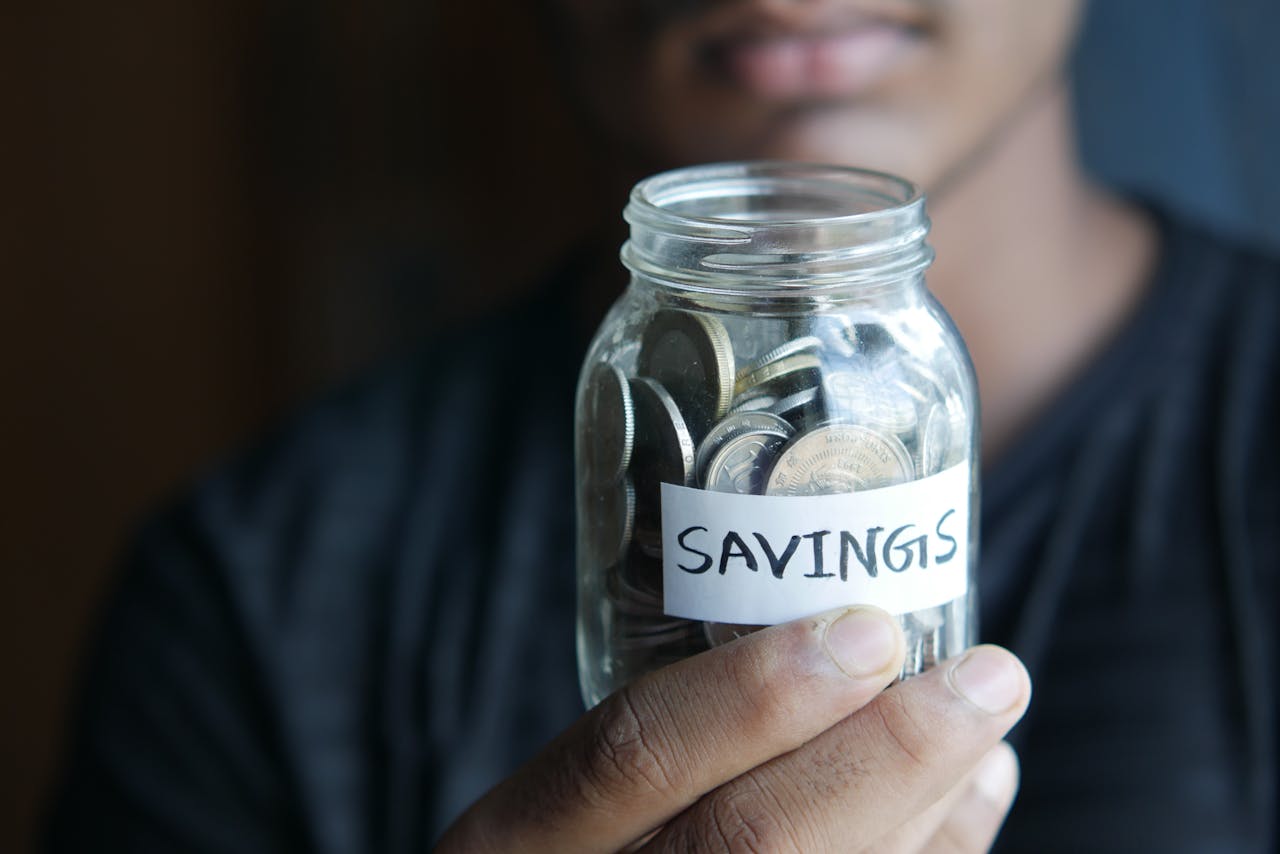
You have heard the proverb. In finance, it is not just wisdom — it is strategy. Diversification means spreading your money across different types of investments so that if one performs badly, the others cushion the blow.
Think about a stokvel. No single member carries the full financial burden. Everyone contributes, and the pot rotates. If one member has a bad month, the others have already contributed. That communal spreading of risk is diversification in its most South African form.
In investing, diversification works across three dimensions.
1. Diversify across asset classes
An asset class is a category of investment — cash, bonds, shares, property. Each behaves differently. When shares fall, bonds often hold steady. When the Rand weakens, foreign assets held in dollars or euros may rise in Rand terms. Holding a mix means your total wealth is less sensitive to any single event.
2. Diversify across sectors
If you only invest in mining shares and the commodity price crashes, you lose across your entire portfolio. But if you hold shares in mining, retail, technology, and banking, a crash in one sector is offset by stability or growth in others. The JSE All Share Index (ALSI) — which tracks the biggest companies across all sectors — is the most accessible way to achieve this automatically.
3. Diversify over time
This is called rand-cost averaging. Instead of putting a lump sum into the market at one moment (and risking buying at the peak), you invest a fixed amount every month — regardless of what the market is doing. Some months you buy when prices are high. Some months you buy when prices are low. Over time, your average cost tends to be lower than if you had tried to time the market. It also removes the emotional pressure of watching markets daily.
Example: A diversified portfolio for a South African earner on R12,000/month
Emergency savings
TFSA / savings account
40%
Index fund (ETF)
e.g. Satrix 40
30%
Stokvel
Discipline + community
20%
Higher-risk growth
Only after step 1–3 are solid
10%
This is a general illustration, not personalised financial advice. Your allocation should reflect your age, income, existing debt, and financial goals. Consult a registered financial advisor for a personal plan.
Notice the structure above. The largest portion — 40% — is in the safest, most accessible place first. This is your emergency fund. You cannot invest wisely if you have no safety net. Without one, the first crisis forces you to sell investments at the wrong time, or borrow at high interest.
Only after the foundation is solid do you move into medium-risk options like index funds. And the highest-risk portion — the 10% — is last, smallest, and only invested with money you genuinely could afford to lose without it changing your life.
rafting Informative and Cohesive Body Content